
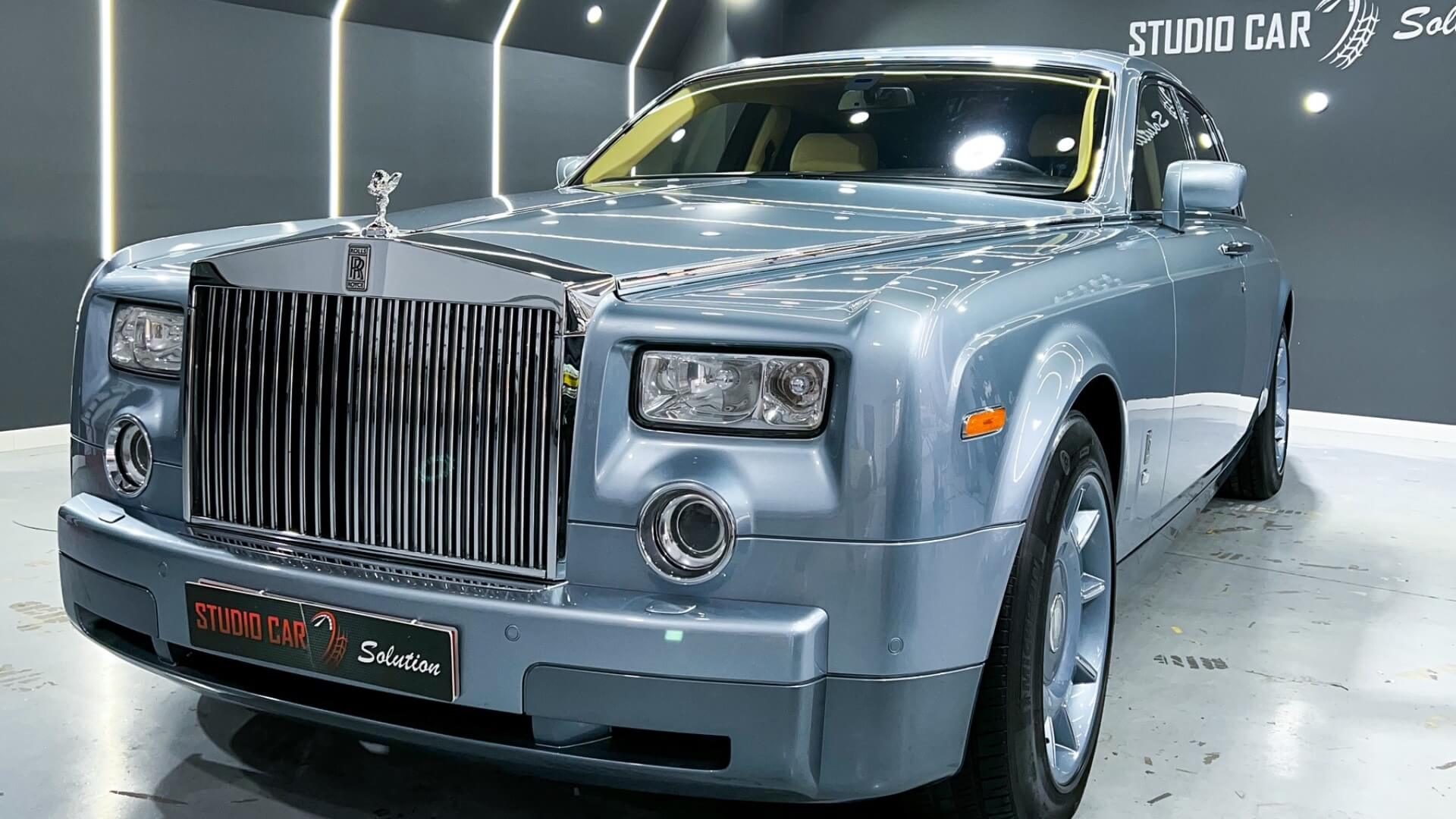
In a Rolls-Royce, every element of the cabin is part of a carefully designed experience. The selection of materials, textures, finishes, and integration of each component follow the same philosophy: to offer an interior where quality is perceived in every detail. That’s why, when the passage of time begins to show signs of wear, preserving its original appearance requires more than just conventional cleaning.
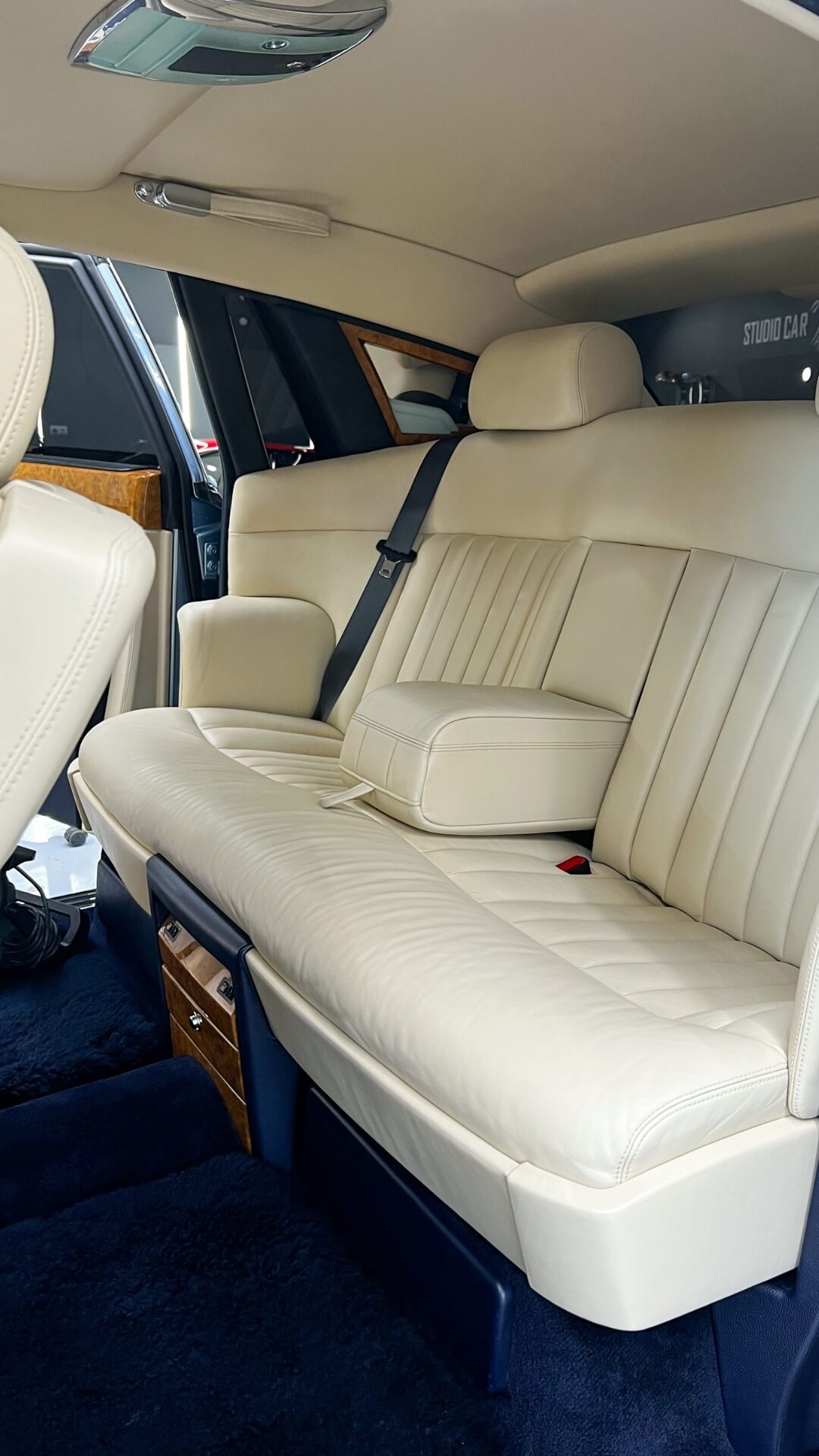
Although these vehicles stand out for the quality of their materials, continued use also affects their surfaces. The leather may lose its matte finish, while the plastics of the center console, trim, and other interior elements may show scratches, abrasions, and marks. These are alterations that, although they may seem small, alter the visual uniformity of the cabin and reduce the prominence of its finishes.
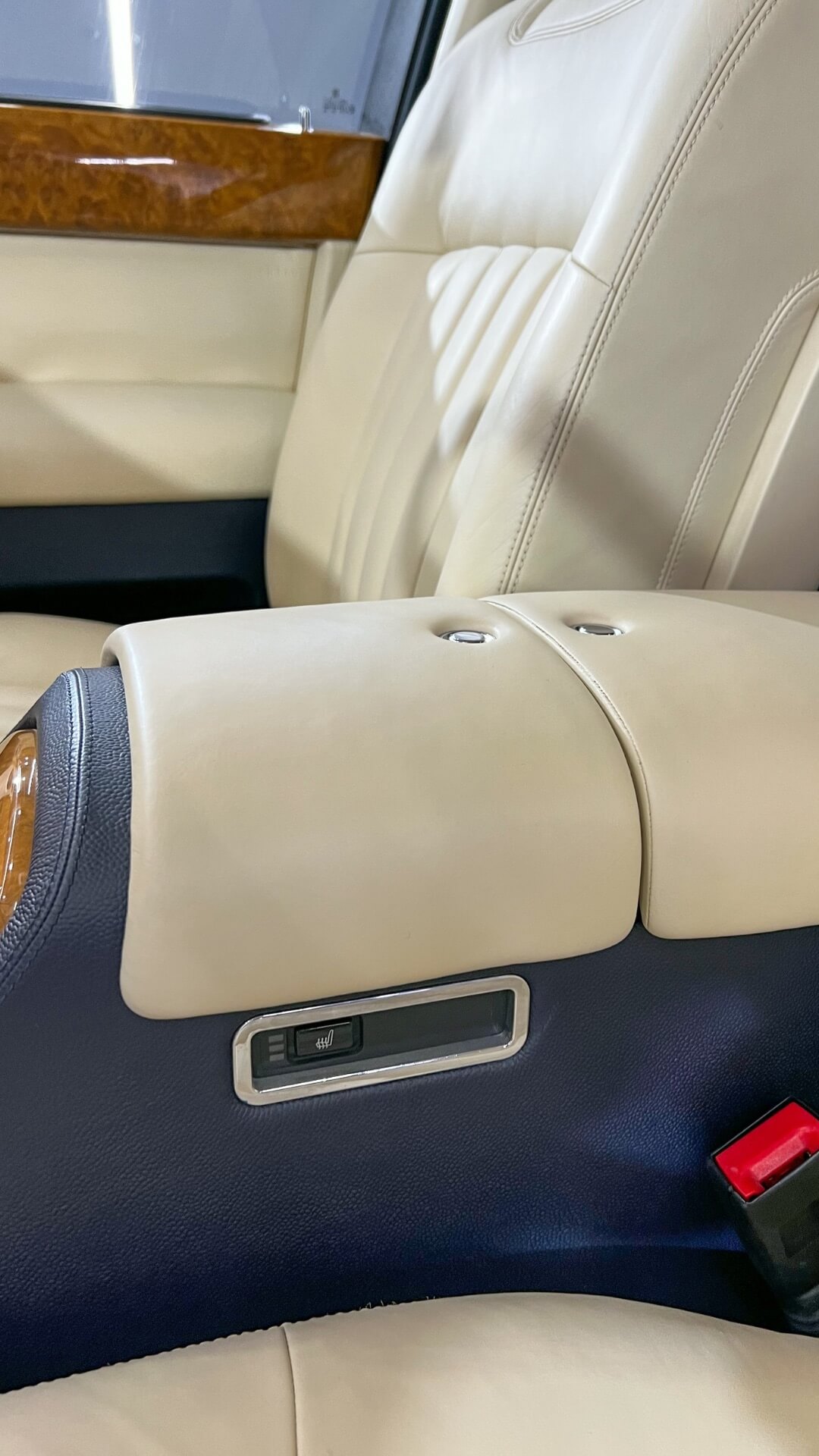
In this project, the goal was to carry out a complete interior restoration of Rolls-Royce, recovering the factory appearance of the different surfaces and preserving the personality that characterizes the vehicle. The intervention was conceived from a fundamental premise: to renew without transforming, respecting the materials, colors, and original essence of each component.
Preserving an interior of these characteristics requires paying attention both to the most visible surfaces and to the details that complete the whole. It is not enough to recover the color of a specific area if the rest of the cabin shows differences in texture, shine, or finish.
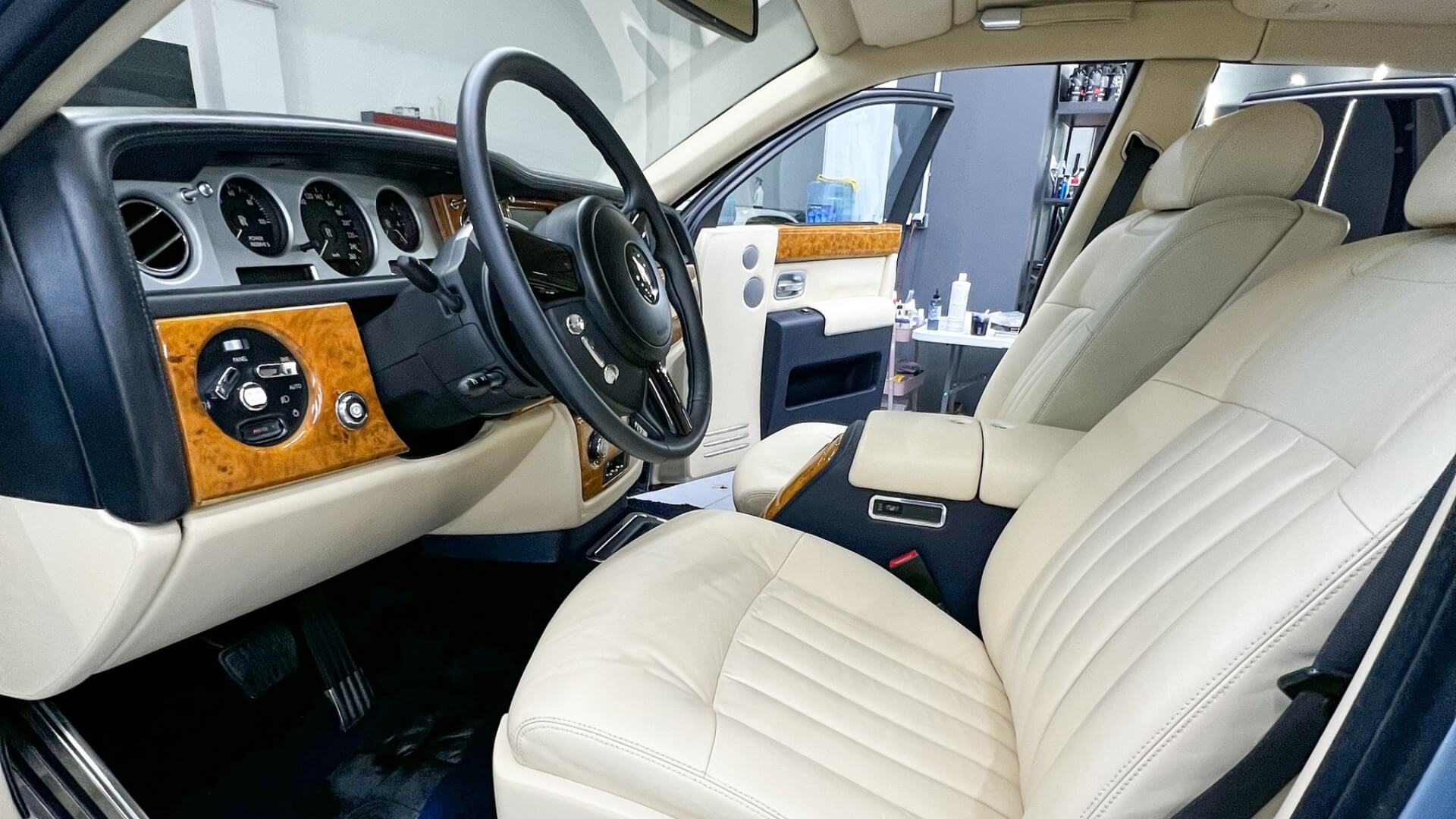
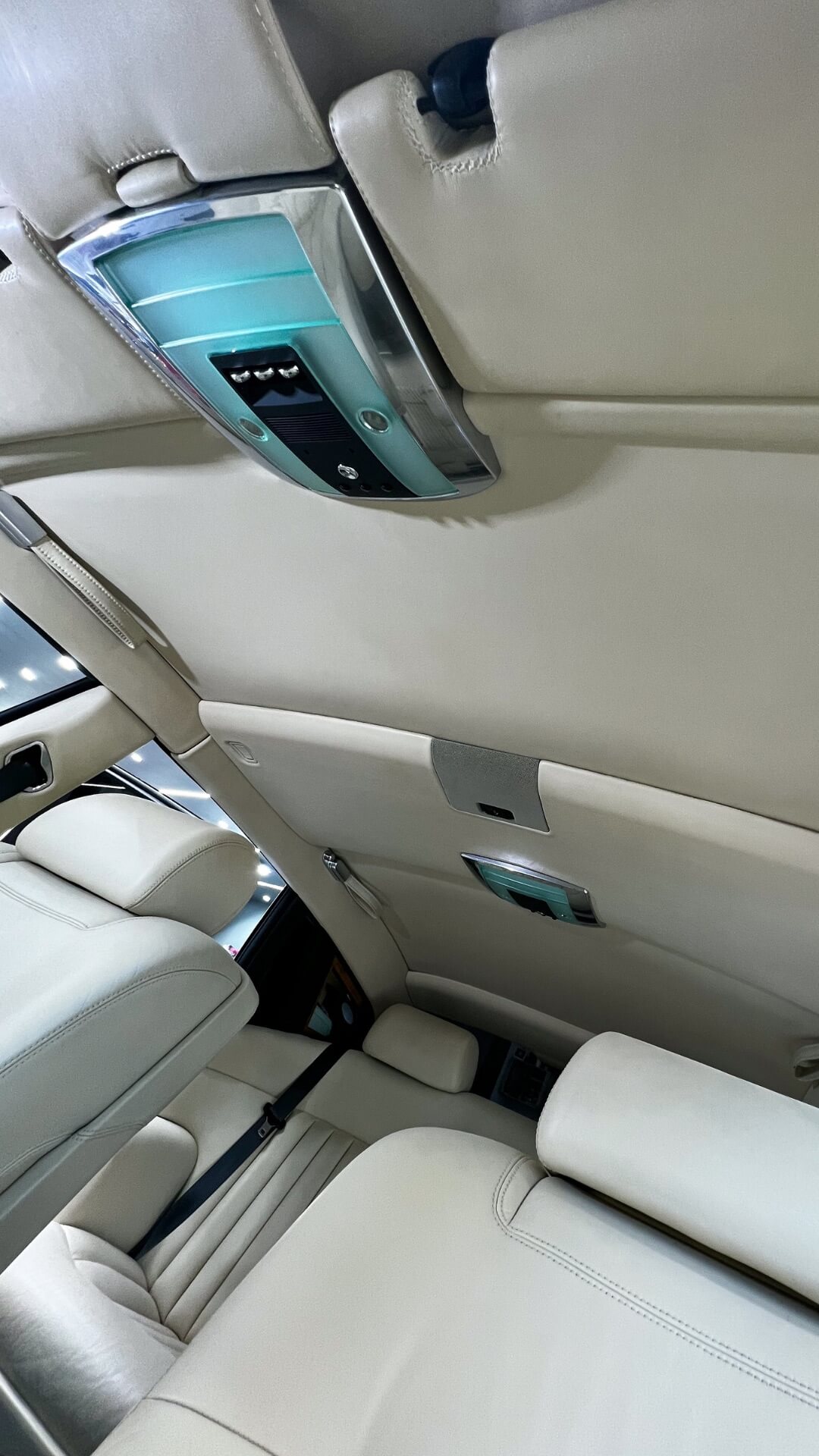
In this case, the work covered two main groups of materials: leather elements, both natural and synthetic, and the plastic components that are part of the console, decorative moldings, panels, and buttons.
Each surface has particular characteristics and requires products and procedures compatible with its composition. That is why restoration is approached specifically, adapting the repair and finishing to the needs of each piece.
The goal is to ensure that the different components are visually integrated again, restoring the uniformity of the interior without introducing unnecessary changes to its design.
The quality of the result largely depends on the preparation and treatment of the materials. In a comprehensive project, each phase must be executed precisely to ensure that repairs, dyes, and protections work as a whole.
The first criterion is to work with high-end professional products, selected for their reliability and adhesion capacity. Choosing suitable materials is especially important when working on different surfaces, such as leathers and plastics.
Each product must match the characteristics of the treated component, allowing it to recover its appearance without compromising its properties. Compatibility between materials and treatments helps achieve a uniform finish and greater resistance to everyday use.
Wear marks do not affect all surfaces in the same way. Some appear as small scratches, while others manifest as rubbing, cracks, or loss of uniformity in the finish.
To correct these imperfections, specific tools and elastic putties are used to work on the affected areas. The repair aims to restore the continuity of the surface and respect, as much as possible, the original texture of each material.
Precision is fundamental at this stage. In an interior where different finishes coexist, a repair that is too obvious could break the harmony of the whole. Therefore, each intervention must be carefully integrated with the surrounding material.
Once the surfaces are prepared, work is done on color recovery. The dyes are adjusted respecting the vehicle’s original tones, avoiding visual differences between the restored areas and the components that retain their finish.
This adjustment is especially important in a Rolls-Royce, where the consistency of colors and textures is part of the interior’s identity. The goal is to restore uniformity and restore to the leather surfaces that characteristic matte finish that had been lost over time.
The intervention ends with the application of high-resistance sealing layers. This protection helps preserve the finishes from regular contact, continuous wear, and exposure to UV rays.
In addition to completing the restoration, sealing helps maintain the uniformity of surfaces and prolong the preservation of the work performed. It is an essential stage so that the result is not limited to an immediate aesthetic improvement, but is prepared to accompany the use of the vehicle.
The result of this restoration is a cabin that regains a refined appearance, with more uniform surfaces, integrated colors, and renewed finishes. The leather elements regain their matte appearance, while the plastic components regain a cleaner and more homogeneous visual presence.
Beyond aesthetic improvement, the value of this type of intervention lies in preserving the authenticity of the interior. Instead of modifying its materials or indiscriminately replacing its components, work is done on existing parts to recover their appearance and maintain the coherence of the original design.
In a vehicle like Rolls-Royce, where every detail helps build a recognizable identity, this difference is especially important. Restoration allows extending the visual life of materials and preserving the personality of the cabin, respecting what makes it unique.
At StudioCar , we understand that restoring a high-end vehicle requires sensitivity to materials, technical precision, and respect for its design. Each surface has its own particularities and deserves treatment adapted to your needs.
This complete interior restoration project for Rolls-Royce reflects our way of working: recovering, protecting, and preserving without losing sight of the original essence of each vehicle. Because exclusive care also means knowing how to preserve what makes each car special.
If you want to learn more about exclusive vehicle restoration, customization, and care projects, we invite you to follow StudioCar on Instagram and LinkedIn. We share our work and solutions to keep every detail at the vehicle’s level.
Para brindar las mejores experiencias, utilizamos tecnologías como cookies para almacenar y/o acceder a información del dispositivo. Si acepta el uso de estas tecnologías, podremos procesar datos como el comportamiento de navegación o los identificadores únicos en este sitio. Si no acepta o retira el consentimiento, es posible que se vean afectadas ciertas características y funciones.